70%
of Global South researchers stay in Global North permanently
Global SouthThe “Global South” refers to countries across Africa, Latin America, Asia, and Oceania — regions that have historically had less access to funding, infrastructure, and influence in global scientific institutions. chemistry researchers have been working on unequal grounds. We are mapping the barriers, and dismantling them.
There exists a human-made gap in chemistry research that actively perpetuates inequality between the Global South and the Global North.
70%
of Global South researchers stay in Global North permanently
Growth in Researcher Authorship
1990 – 2013
Funding intensity proxy (2022)
GER$ per paper (USD)GERD (Gross Expenditure on Research & Development) per published paper, in US dollars
Productivity proxy (2022)
Articles per 1,000 researchers
Before we can address inequity in science, we need to understand exactly where it lives — and who it affects most.
We're reviewing hundreds of studies, reports, and interviews to identify the barriers Global South chemists face — from publishing access and funding gaps to language bias and institutional exclusion. This isn't a hunch. It's a systematic effort to see what the evidence actually says.
Data only tells part of the story. We're running a multilingual survey to collect firsthand experiences from chemists and scientists across Africa, Latin America, Asia, and the Pacific. Your voice shapes our understanding.
We will summarize everything into a clear map of barriers — ranked by frequency, region, and need. Then, we will act upon them.
Evidence Collection
Map inequities in chemistry research through systematic review.
Survey Intake
Collect Global South perspectives on local barriers and needs.
Pattern Analysis
Synthesize findings to identify high-impact intervention points.
Initiative Design
Co-design pilots with researchers and partner institutions.
Program Rollout
Launch programs, monitor outcomes, and refine implementation.
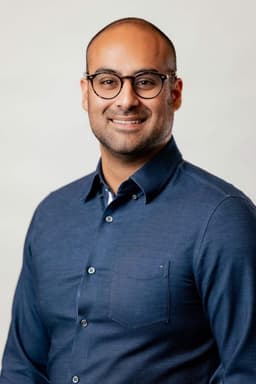
Co-founder
Dr. Minhal Hasham grew up on the West Coast of Canada. He earned his Ph. D. in Chemistry from the University of Toronto. Minhal is motivated by making science accessible to everyone, at all levels. Recognizing that education is the great equalizer, Minhal has experience teaching students of all levels and socioeconomic backgrounds and observed the transformative power education and science in particular has on young minds. Through these mentoring experiences, Minhal realized that access is often a major bottleneck, and now is determined to connect eager students with resources that enable them to grow and develop as scholars and scientists.
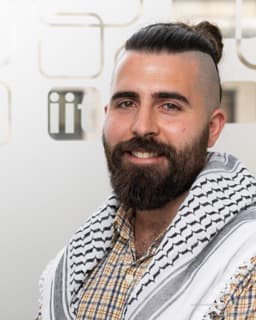
Co-founder
Dr. Francisco Yarur Villanueva was born and raised in Chile. He has a B.Sc. and an M.Sc. in chemistry from Concordia University in Montreal, Canada, and a Ph.D. in physical chemistry from the University of Toronto. Francisco's motivation sparked when he stepped away from a lab-focused mentality and started asking questions and connecting with other academics at a human level. Having a green chemistry background, he identified systemic patterns of inequality in the global norms for chemistry research that go beyond education and isolated laboratory work. He is ready to lead the paradigm shift into equitable chemistry research in a world that goes beyond atoms and molecules but considers humans and the environment holistically.
Engineer
Sofrware Engineer, passionate about developer tooling, communities, and decolonization.
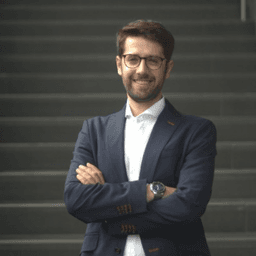
Researcher and Collaborator
Dr. Guillermo Lozano-Onrubia was born in Spain and grew up in several countries across Europe. After completing his B.Sc. and M.Sc. degrees in Chemistry in Germany, he moved to Canada to pursue a PhD. Throughout his life, Guillermo has been motivated by a desire to support the energy transition from both technical and socioeconomic perspectives. Having been raised in a multicultural environment, he strongly believes in the importance of cooperation, diversity and education.
These researchers and practitioners bring deep expertise across green chemistry, sustainability, and climate science — and help ensure our work stays grounded in real-world impact.
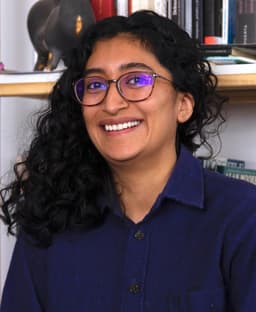
Energy and Sustainability Scientist
Climate Change Mitigation
Engineer & Sustainability Scientist. Energy and climate change mitigation specialist, focused on issues that call for transdisciplinary efforts. Making visible how the natural sciences, engineering and technology are deeply social human activities.
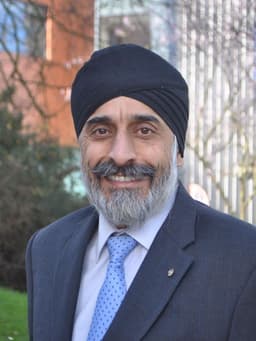
Senior Advisor
Green Chemistry & Sustainable Technology
Professor Avtar Matharu is Senior Lecturer, Deputy Director of the Green Chemistry Centre of Excellence, and MSc Green Chemistry and Sustainable Industrial Technology Course Director at the University of York. He serves on the Chemistry departmental Equality and Diversity Group, which secured the highest award in the Athena Swan Charter in 2018 for advancing gender equality in higher education. He has also been awarded an MBE for services to equality, diversity and inclusion, interfaith and community cohesion.
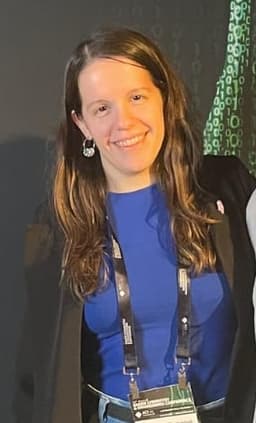
Researcher and Advisor
Elida holds a PhD in Chemical Sciences with a specialization in Organic Synthesis from the National University of Rosario. She currently works in the pharmaceutical industry in Buenos Aires, where she is part of the R&D department developing processes and technologies for pharmaceutical production. Her interest in joining Sumud Labs stems from having worked in both academic laboratories and industrial environments, experiences that revealed how gaps in infrastructure, funding, and access shape research possibilities across the Global South. Her research stay in Canada during her PhD,where she collaborated with scientists from different countries,further deepened her understanding of these structural inequalities, highlighting that science depends on systems, institutions, and human relationships that can either support or limit the growth of researchers and communities.
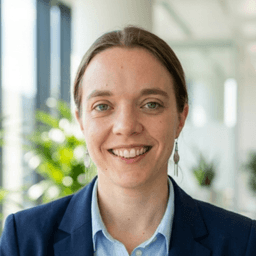
Cross-disciplinary Project Advisor
Chloé Guinaudie is a consultant specializing in project development, stakeholder engagement, knowledge mobilization, and systems change. She is a Mental Health consultant with the WHO Regional Office for Europe, an Advisor with Orygen Global and WAYDS Tanzania, and more recently an advisor for Sumud Labs. Her work focuses on translating complex evidence into practical and inclusive approaches that strengthen impact across research, policy, and practice.
We're chemists, engineers, and researchers who've worked across Global North and Global South institutions. We've seen the inequities firsthand — and we're committed to helping dismantle them.
Our goal is to contribute to dismantling these barriers and building a more equitable academic system — by strengthening relationships between key stakeholders across regions and developing programs that support equitable knowledge generation and scientific innovation.
Across the Globe
If you're a researcher working in or from the Global South, your experience and perspective are central to this work. This short survey helps us understand the real barriers you face — in your own words, in your own language.
Available in English, Spanish, and Portuguese.
Want to follow our progress, collaborate, or support this work? Leave your details and we'll keep you in the loop.